Every brand has a story, true. But does every brand know how to show it?
Not really.
Nowadays, brands are going with stock visuals and AI-generated art for their cost-efficiency. However, that artwork doesn't truly settle down in your audience's mind.
Smart businesses turn to original artwork by commissioning illustration that communicates personality, values, and purpose in a strategic manner. Commissioning a custom illustration isn’t just about hiring an artist; it’s about translating your brand identity into visuals your audience instantly understands.
From selecting the right art style to aligning color, tone, and storytelling elements, every decision impacts how your message is received.
So, if you want to commission an illustration that powerfully describes your brand story, stick around till the end of the article. Here, you'll get expert tips on every aspect of the process.

Think of commissioning art as the handshake between vision and execution. You bring the brand story, the illustrator brings the craft, and together, a custom illustration becomes more than a pretty picture; it’s a strategy you can see (and customers can’t ignore).
Every custom art commission begins with one golden question: What do you want people to feel when they see this?
The commissioned art's meaning isn’t just about style; it’s about making your values instantly visible.
Where your illustration lives shapes the way it’s built. A website banner, product label, or Instagram ad all demand different energy. Think of it like dressing for the occasion:
Before jumping into a custom art commission, decide the “stage” where your illustration will perform.
A custom illustration isn’t wall décor, it’s a business tool. The trick is to connect it with goals you can actually measure:
For example, a coffee shop might invest in illustrated cup designs. The goal isn’t just to look trendy, it’s to turn every cup carried out the door into a walking advertisement. That’s commissioning art with strategy.
Your audience decides whether the illustration feels right. Ask: Who’s going to see this, and what should it make them feel?
Think of it like picking an outfit; you wouldn’t wear a tux to a beach party. The same rule applies to your custom art commission.
Every project needs a scoreboard. How do you know your Custom Illustration worked? Set clear markers before the first sketch hits the page:
With these metrics, you’re not just commissioning art but investing in results.
Even the best illustrators can miss the target if the brief is vague. Think of it this way: commissioning art without a clear plan is like ordering a cake without saying what flavor you want. You might get something edible, but it won’t be what you imagined. A strong brief is the secret recipe for turning a custom art commission into work that nails your brand story.
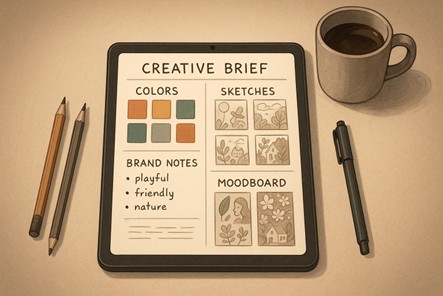
Before asking an illustrator to sketch a single line, give them context. They need to know who you are and what makes you different.
When you answer what commission art is in your context, you’re not just defining a term; you’re giving your illustrator a lens to see your brand clearly.
Not every piece of art is meant to do the same job. Ask yourself: What’s the mission here?
Clear objectives guide the creative process. For example, a tech startup might commission sleek digital illustrations, while a wellness brand might opt for soft, hand-drawn textures. That’s how custom illustration services move from decoration to real strategy.
Knowing who will actually see your illustration shapes the style.
Example: A youth sports brand might need bold colors and dynamic movement, while a luxury boutique would lean into elegant lines and muted palettes. A good custom art commission adapts to the eyes it’s meant to impress.
Words are good, but visuals speak louder. A moodboard can prevent a dozen misunderstandings.
Moodboards are like GPS; they keep the creative process from veering off-course.
Getting technical early saves headaches later. Set expectations before the work begins.
Think of this stage as upfront planning, not the final handoff. It makes sure your custom art commission runs smoothly from draft to delivery.
Money and deadlines can feel awkward, but clarity here saves everyone time.
A strong brief doesn’t just inspire creativity, it also keeps the project on track financially and logistically. That’s the real magic of commissioning art when both sides know the rules of the game, the final work feels less like guesswork and more like a masterpiece.
Not every illustrator is the right match for your project. Style, expertise, and even communication style can make the difference between artwork that elevates your brand and artwork that just… sits there. Choosing wisely saves time, money, and plenty of headaches down the road.
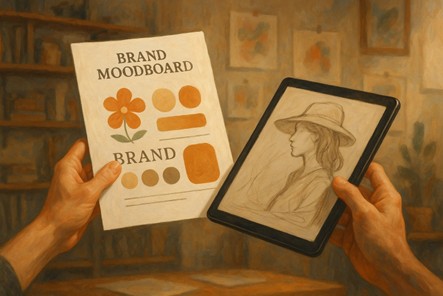
Think of a portfolio as an artist’s dating profile. It shows what they’ve done, how they think, and whether they’re a fit for your “brand personality.”
The trick is simple: don’t just ask “Can this illustrator draw?” Ask, “Does this style reflect my story?” Past work best predicts how well they’ll handle your project.
The internet is overflowing with talent, but where you look matters. Some go for agencies, others rely on referrals, and many find hidden gems on specialized platforms. Searching for an affordable graphic novel illustrator can connect you with artists who know how to balance budget with quality. Look for agencies that have top-rated graphic novel illustrators with track records of delivering strong, narrative-driven work.
Local communities can also be goldmines of creative networks, design schools, or even social media groups, often featuring artists ready to take on commissions.
It’s tempting to pick the cheapest option, but here’s the catch: cheap can get expensive fast. Endless revisions, missed deadlines, or work that doesn’t align with your brand voice will cost more in the long run.
That doesn’t mean affordability is a red flag. Many talented illustrators offering custom graphic novel illustration services provide incredible value without sky-high pricing. The key is context—evaluate experience, communication style, and how well they “get” your brand before making price the deciding factor.
Think of it like hiring a chef; the lowest bid might fill your plate, but will it taste the way you want?
If you’re still unsure, start small. Commission a single social media illustration, a set of icons, or a short character sketch before handing over a big campaign.
This “trial run” shows you:
It’s like taking a car for a test drive; you wouldn’t buy it without first seeing how it handles the road. Small projects let you gauge reliability before investing in larger campaigns.
Commissioning isn’t just about sending a brief and waiting for magic to appear in your inbox. It’s a process, and like any good process, it works best when collaboration is clear, respectful, and consistent. Whether you’re working with custom illustration services , an independent artist, or a full illustration design agency , your interaction can make or break the final result.
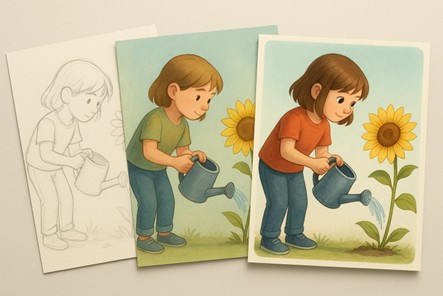
The first sketches are like the foundation of a house; you wouldn’t judge the curb appeal while it’s still a pile of bricks. At this stage:
Think of sketches as the blueprint. If the idea feels right, the details will fall into place later.
Here’s where most projects succeed or spiral into endless revisions. Feedback should be specific, actionable, and tied to your goals. For example:
Clear feedback keeps the illustrator moving in the right direction while avoiding guesswork. With custom illustration services , clarity also saves you money by cutting down unnecessary revisions.
Once revisions roll in, you must be the brand guardian. Check that:
If you’re working with an illustration design agency , they often help with this alignment, but even then, your eye for brand consistency is key.
The best results come when you guide, not micromanage. Think of it like hiring a chef: you choose the cuisine, the ingredients, and the spice level, but don’t stand over the stove telling them how to stir.
Collaboration should feel like a conversation, not a tug-of-war. The sweet spot? A project where your brand vision shines, while the illustrator’s skill elevates it into something better than you imagined.
Creative feedback is one thing, but let’s be honest, without logistics in place, even the most brilliant idea can turn into chaos. This stage isn’t about sketch lines or color palettes; it’s about organization, agreements, and making sure everyone knows what’s happening and when. Whether you’re working with an illustration design agency or commissioning a freelancer, managing the process like a pro keeps the project moving smoothly and your stress levels low.

Think of your project like a playlist; you don’t want all the songs playing at once. You want a rhythm. Break the project into clear stages:
This structure keeps everyone accountable and prevents the dreaded “I thought it was due next month” moment. With custom digital art , stages also help you test resolution, formats, and usability before it’s too late.
Ever played the childhood game of “telephone”? Miscommunication can derail projects just as quickly. That’s why picking your communication method early is gold.
Even with personalized illustrations, the small details matter, like agreeing on who gives final approval. A clear channel avoids confusion and aligns the art with your brand story.
This is where things can get sticky. If you don’t track revisions, your “one quick change” can turn into ten rounds of edits. That’s how projects blow up budgets and timelines.
This isn’t just about protecting the illustrator; it protects your project from spiraling out of control.
Finally, let’s talk about contracts, which are not the most exciting part but are essential. When you commission work, ownership isn’t automatic. That’s why clarity on usage rights matters.
Working with an illustration design agency often simplifies this, since contracts are baked into the process. But whether agency or freelancer, taking rights seriously avoids future headaches like finding your commissioned character popping up in someone else’s marketing.
This is where your artwork officially graduates from “pretty picture” to “brand powerhouse.” It’s not just about having a file in your inbox; it’s about making sure it is ready to shine everywhere your audience sees you.
Nothing kills excitement faster than realizing your shiny new illustration won’t fit on your website header or print blurry on a brochure. Before signing off, check the details like a pro:
Think of it as ensuring your outfit fits before the big event because no one wants a “wardrobe malfunction” in their marketing.
Here’s the part most people overlook: ownership. Just because you paid for artwork doesn’t automatically mean you can use it however you want. To avoid awkward “that’s not yours” emails later, get everything spelled out clearly:
A written agreement isn’t just legal stuff; it’s peace of mind that your investment is yours to use.
Now comes the fun part, putting the illustration to work. Consistency is the secret sauce that turns one image into a recognizable identity. Imagine your new mascot appearing on your:
Suddenly, your brand isn’t just seen, it’s remembered. Consistency makes people point and say, “Oh, that’s them!” every time they see your art.
Commissioning art isn’t just about making things look pretty; it’s about strategy. A well-planned custom illustration has the power to say what words can’t, anchor your brand identity, and keep working for you long after a campaign ends. When you choose the right illustrator and treat the process as collaboration rather than decoration, you don’t just get an image, you get a story that sticks.
Why settle for generic stock visuals that anyone can use when your brand deserves something made just for it? With the right approach, visuals become more than filler; they become part of your brand’s legacy.
Look no further if it’s time to trade cookie-cutter graphics for work that truly speaks. Partner with professionals through custom graphic novel illustration services and let your story live on in every line, color, and page.
Looking for more information? Call us at +1 (855) 521-5040 for quick support!


Have a project in mind? Reach out to us, and we’ll help turn your ideas into stunning illustrations.
Tell us what you need, and we’ll create a custom illustration just for you. Reach out today and let's get started!
 +1 (855) 521-5040

Copyright © 2026 360 Illustration House | All rights reserved. Terms And Conditions | Privacy Policy | Refund Policy


 LIVE CHAT
 +1 (855) 521-5040